



Learn how to use infrared- and freely available webcam-based eye-tracking tools to study psychological decision making processes in political and social science research in this five-day in-person course!.
What Is This Course About?
Eye movements provide fine-grained, time-sensitive measures of attention, information acquisition and processing beyond self-report-based surveys. This type of data is for example useful for research about pychological mechanism in decition making processes. This five-day in-person course introduces the principles and applications of infrared- and webcam-based eye-tracking technologies. Students will engage with state-of-the-art research on eye tracking in the Social Sciences. The course provides them with a simple setup codebase that they can adapt and extend to build their own applications and implement eye-tracking measures in their group projects.
Learning Goals
- Understanding the basic mechanism how eye-tracking technologies work
- Existing and potential research questions using eye-tracking technology
- Developing and implementing a, eye-tracking research design of their own
- Analyzing the data collected with eye-tracking technologies
Recommended Readings for the Course
- Jenke L, Sullivan N. Attention and Political Choice: A Foundation for Eye Tracking in Political Science. Political Analysis. 2025;33(4):298-314.
- Jenke, L. “An Eye Tracking Study of Gender Biased Information Acquisition in Candidate Evaluation.” Political Psychology. 2025. 46, 673–690 .
- Nicolas Krucien, Mandy Ryan, Frouke Hermens, Visual attention in multi-attributes choices: What can eye-tracking tell us?, Journal of Economic Behavior & Organization, 2017, 135, 251-267
Assignments for the Course
- Course attendance
- Written final report of a group project (topics will be offered)
- Multiple assignments related to the group project
Schedule
General timetable:
09:00-10.30h Lecture
10.30-11:00h Break
11:00-12.30h Lecture + Lab
12.30-13.30h Lunch break
13.30-14.30h Group work on the project
Monday
- Introduction to infrared/screen-based eye tracking with Tobii
- Overview of social science applications
- Formation of project groups
Tuesday
- Introduction to webcam-based tracking
- Code setup and integration into a simple experimental or survey framework
- Preparation of the participants’ own PCs
- Assignment of project topics and initial design work (stimuli, tasks, measures)
Wednesday
- Demonstration of instructor’s eye-tracking research and full workflow
- Hands-on session: students begin implementing their own code and experimental setup
Thursday
- Analysis of eye tracking data
- Project work: implementing and refining study design, piloting, and troubleshooting
Friday
- Project work: a small pilot
- Wrap-up: brief group presentations of their setup and preliminary observations, plus outline on next steps for integrating eye tracking into their own research
Who Is Your Instructor?
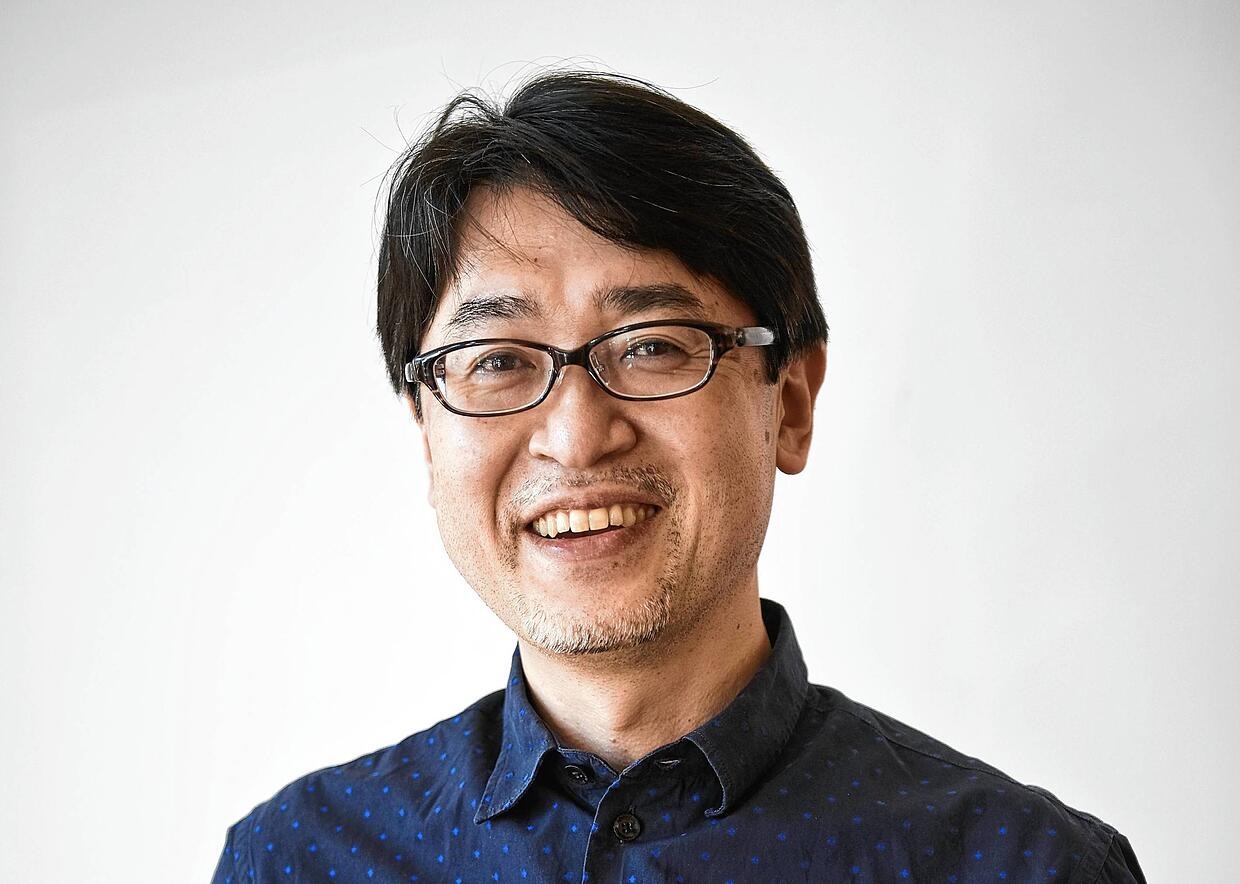
Susumu Shikano is a political scientist and his research interest lies in political behavior in particular in electoral contexts. He taught Bayesian statistics, maximum likelihood, and probability theory at diverse universities and method schools.
- A general interest in psychological processes in decision making (required)
- Foundations in quantitative research designs and data analysis, as taught in a typical undergraduate program in the social sciences (required)
- Knowledge of how to use an agentic coding assistant such as the skills taught in the KOMEX short course "Introduction to Claude Code" (recommended)
Prof Dr Susumu Shikano
Lecturer komex